
Zambia: a project with measurable impact in Legor’s ESG journey, together with Koalization
For Legor, sustainability means turning commitments into concrete, traceable and measurable actions.
It is with this approach that, starting this year, we have chosen to become a partner in the project developed by Koalisation in Zambia’s Copperbelt Province, which will involve 400 families through initiatives combining emissions reduction, natural resource conservation and the development of local communities.
This initiative forms part of Legor’s ESG journey and reflects our approach to corporate responsibility: not as an isolated action, but as a process whose effects can be understood, participated in, monitored and measured over time.
What it means to partner with a project rather than purchase credits
One of the aspects that led us to choose this project is the model on which it is based.
Rather than simply purchasing carbon credits that have already been generated, Legor’s contribution directly funds a defined share of the activities carried out on the ground. The credits will subsequently represent one of the project’s outputs, once they have been verified and issued by the relevant registry.
So, before the credits come the activities on the ground.
Families involved and registered, training sessions, stoves distributed, trees planted and monitored: a system that makes it possible to track the project’s progress through concrete data.
This principle is particularly close to the way we work. Traceability, which is a fundamental element for Legor throughout the precious metals supply chain, also becomes one of the criteria we use to assess sustainability initiatives.
Three actions, one project
The initiative coordinated by Koalization and supported by Legor involves 400 families in the Copperbelt and is structured around three complementary areas.
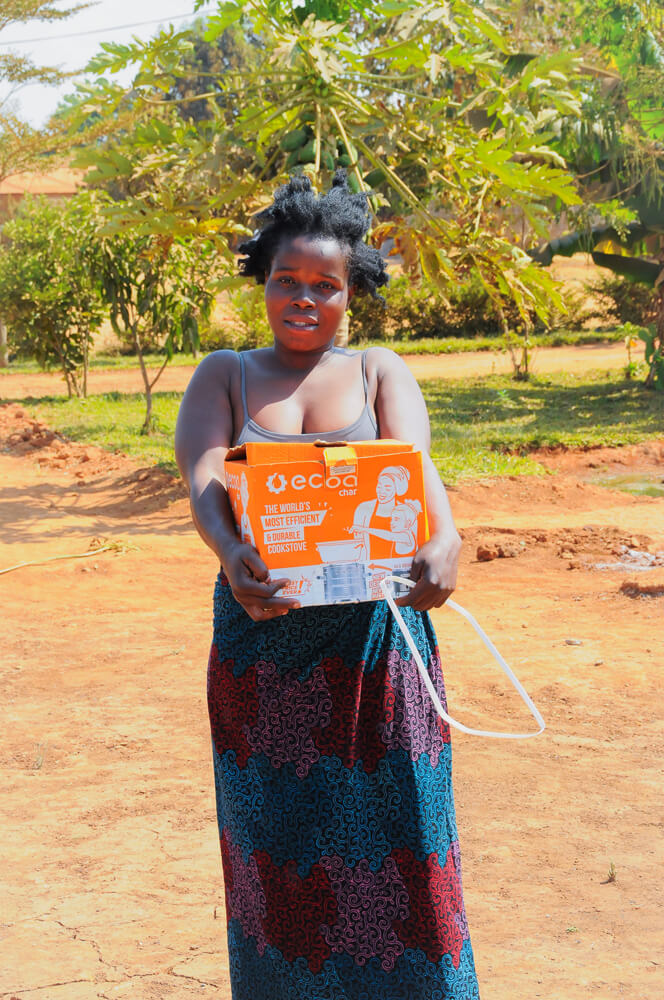
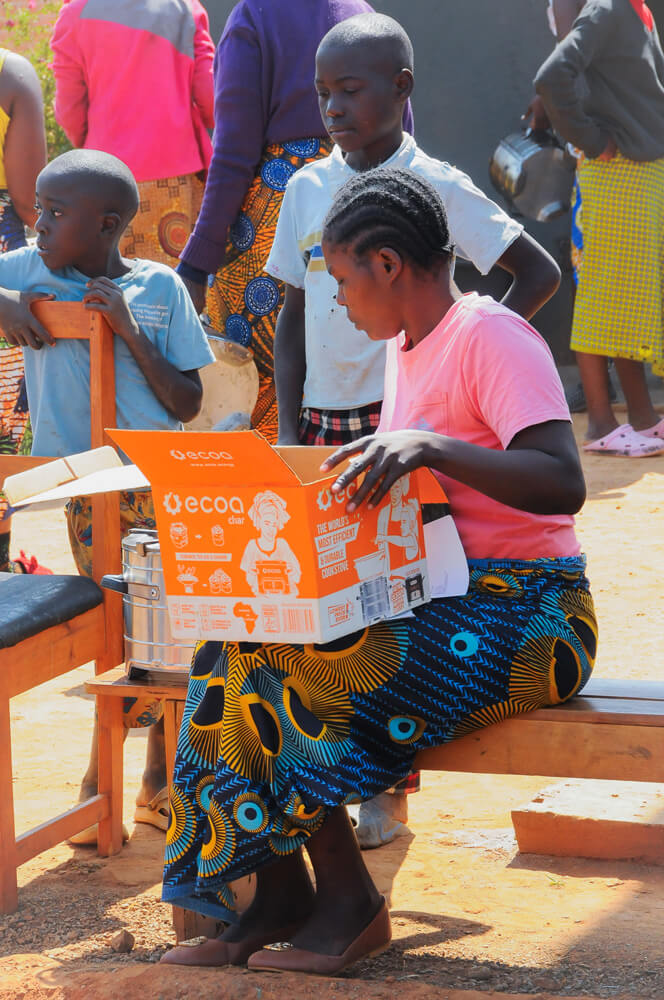
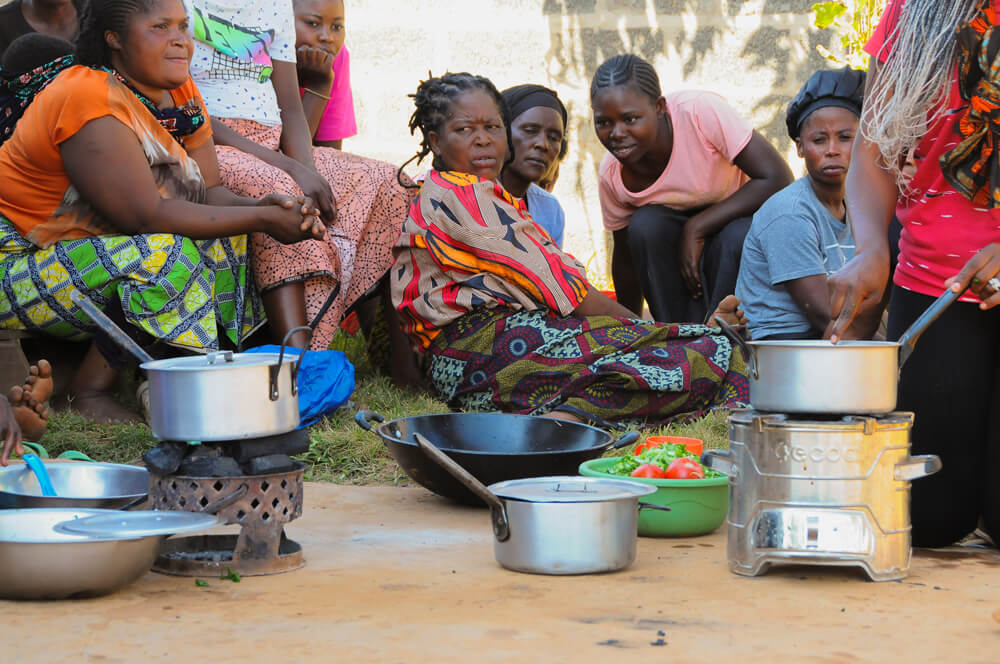
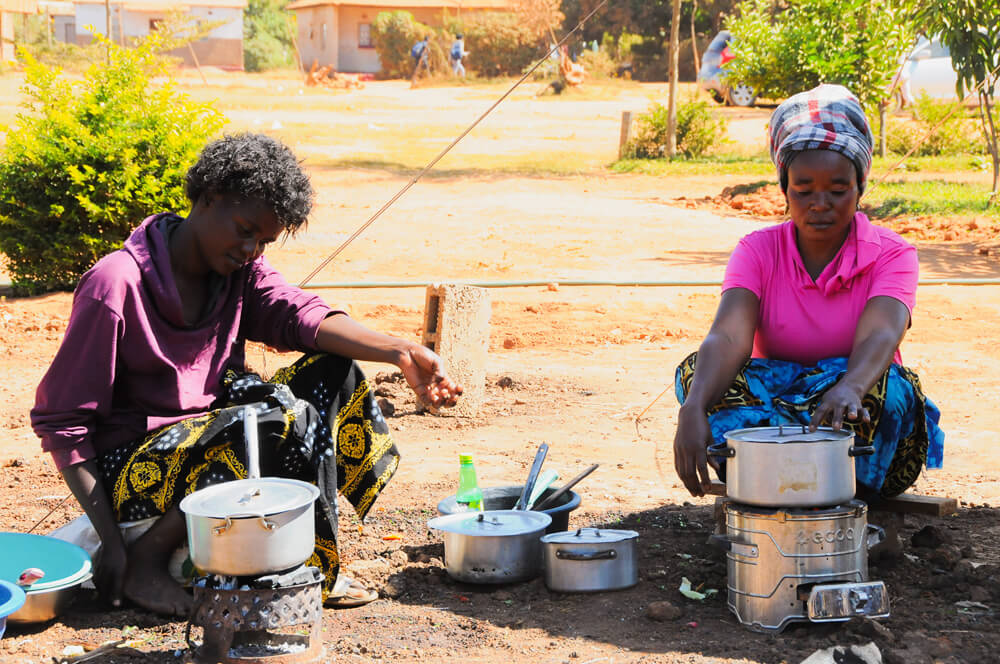
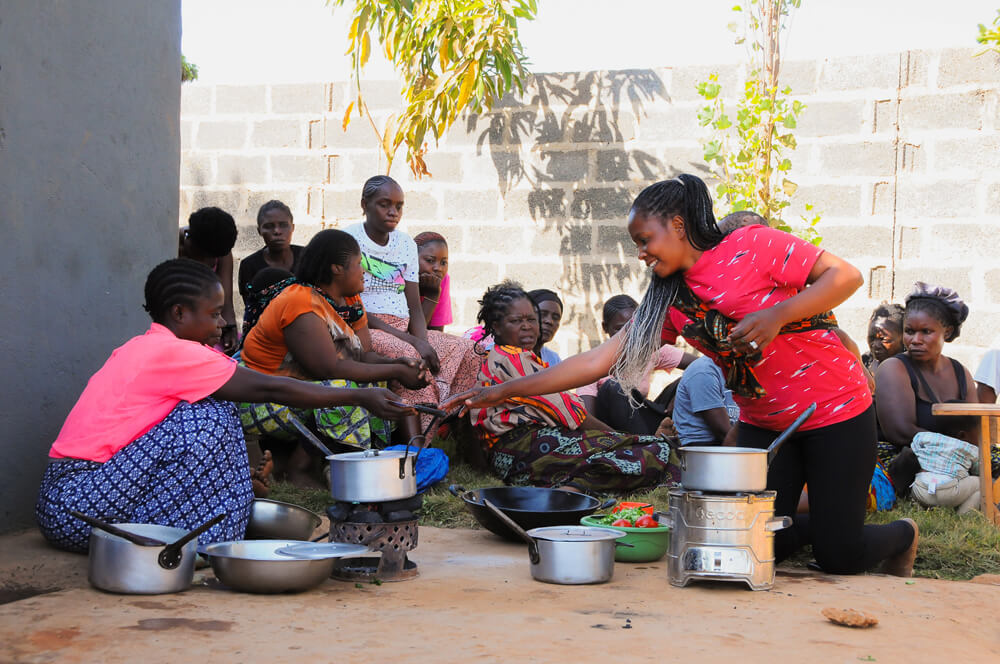
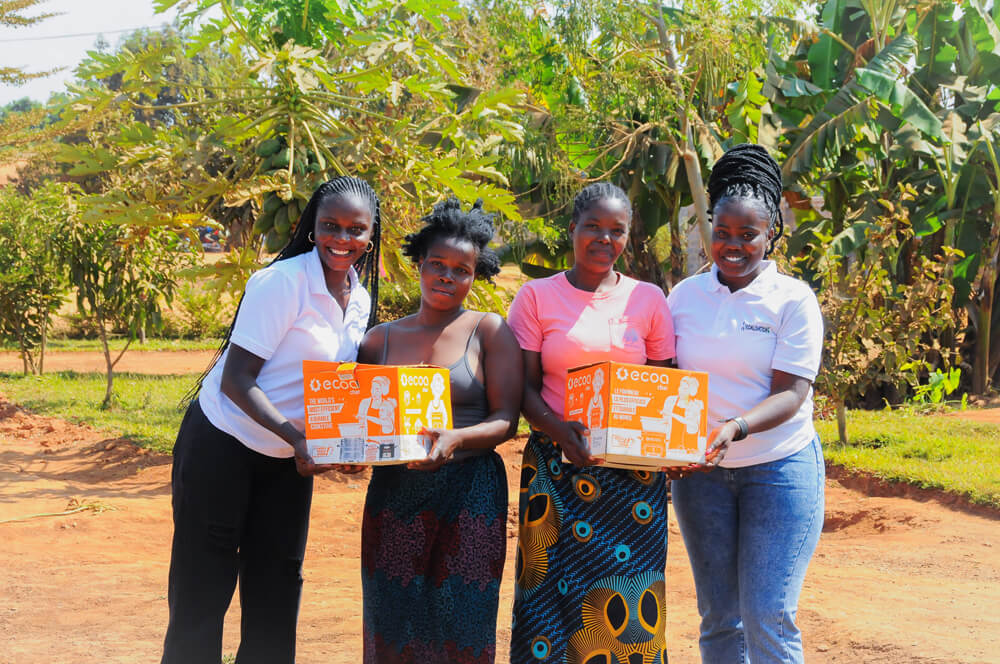
The first focuses on clean cooking, through the distribution of more efficient stoves compared with the systems traditionally used by families. The aim is to reduce the amount of charcoal required for cooking, while at the same time helping to lower emissions and reduce exposure to smoke inside homes.
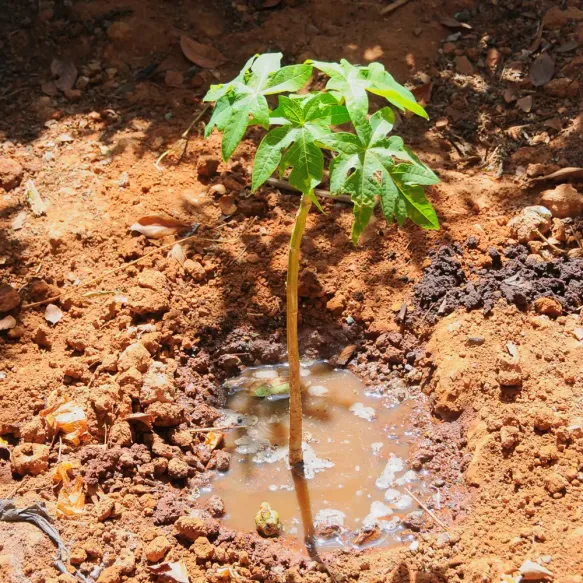
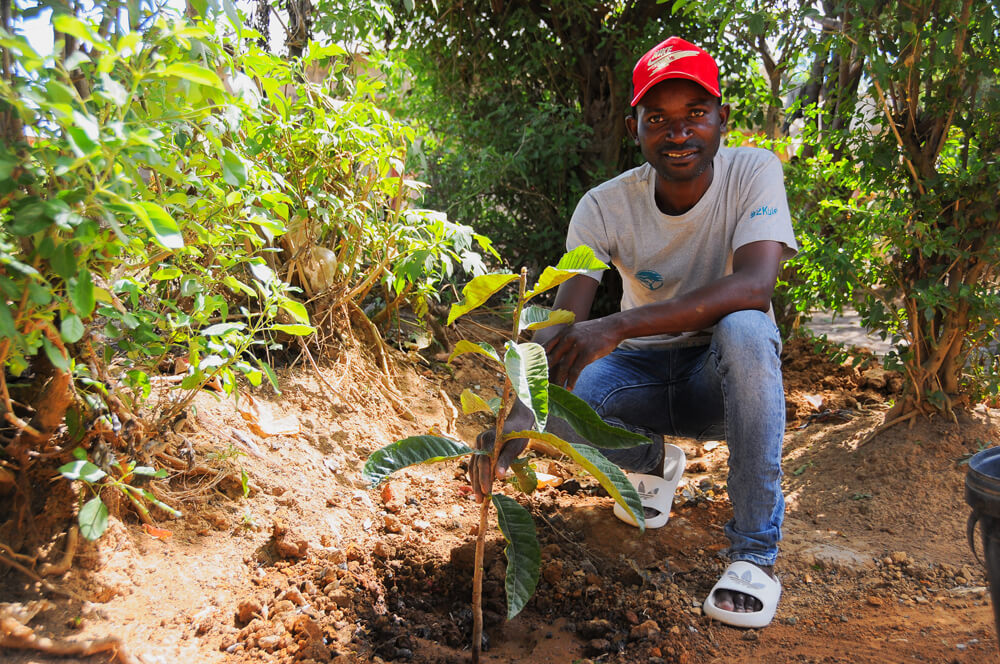
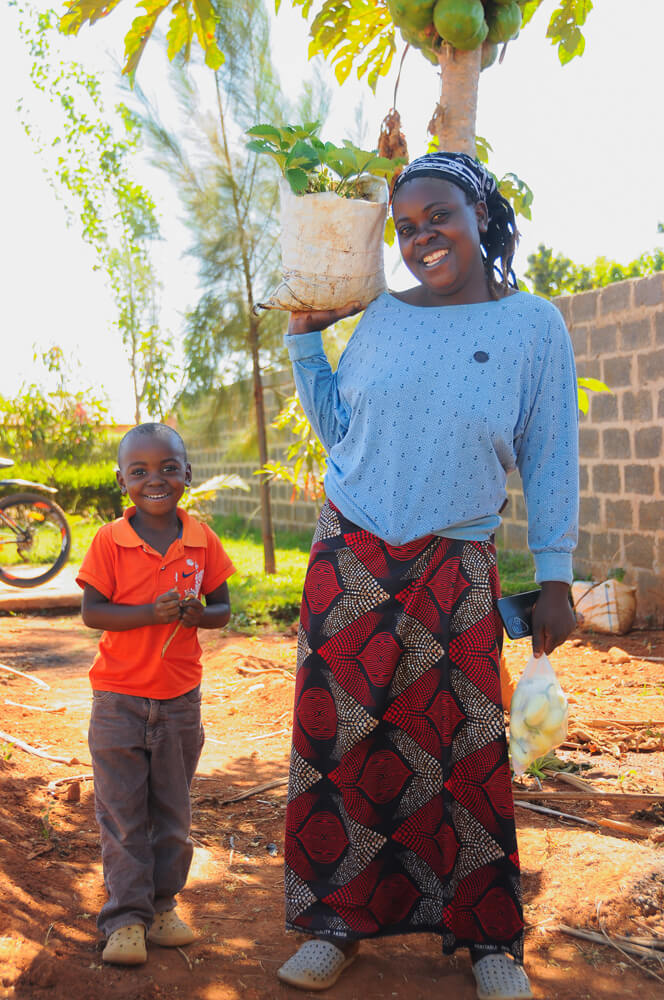
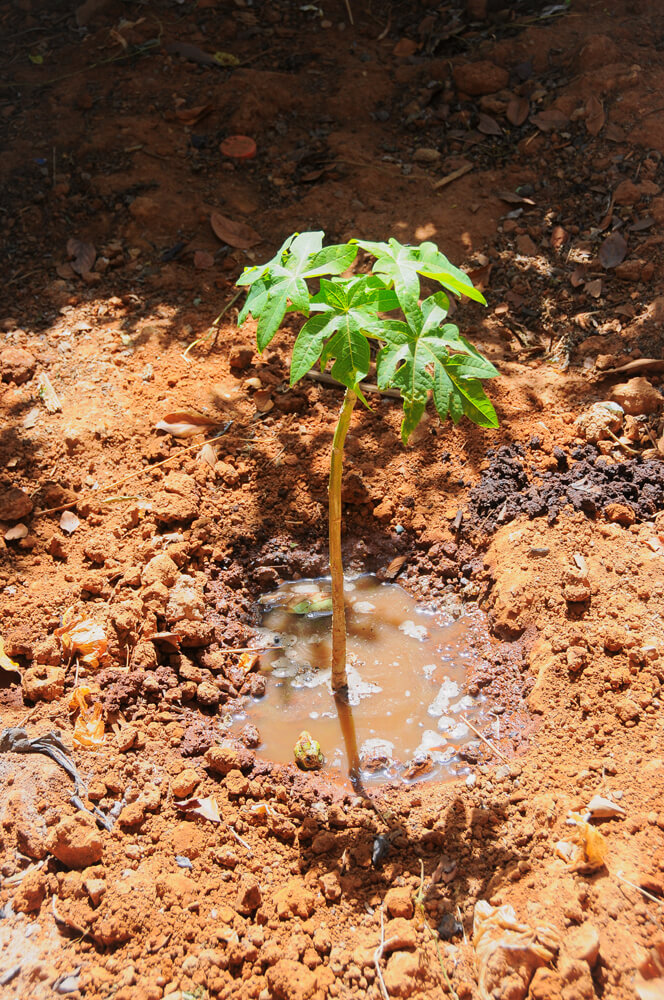
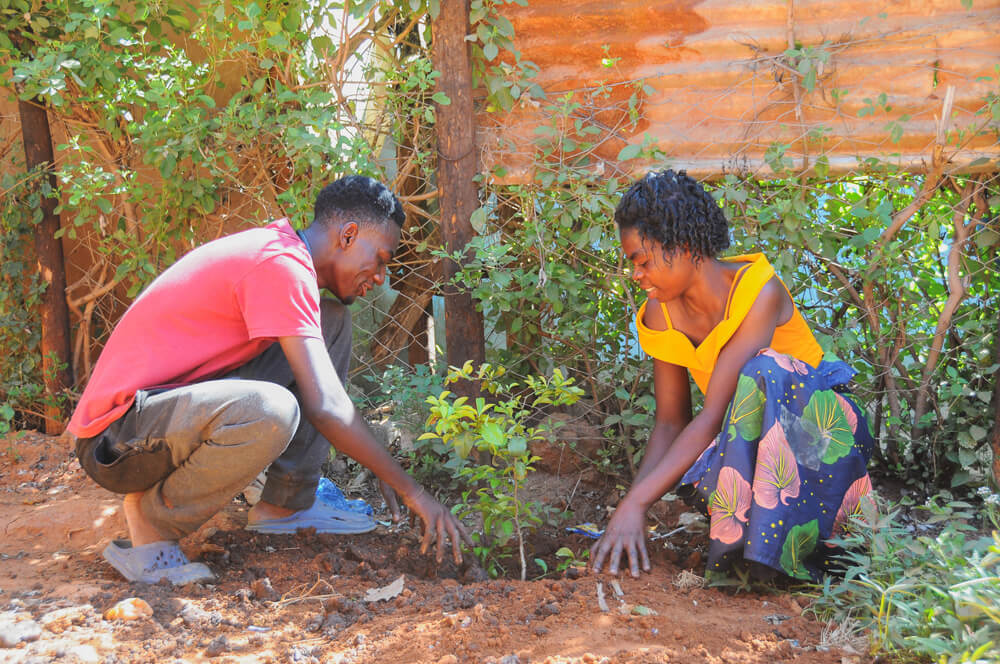
Alongside this is an agroforestry programme. Families receive fruit trees and dedicated training, with the aim of gradually restoring vegetation within agricultural areas. The trees are registered and their growth is monitored over time by Koalisation’s field officers.
The third area focuses on creating economic opportunities as alternatives to charcoal production. Some former charcoal producers are involved in beekeeping activities, helping to create an alternative source of income while also protecting agroforestry areas.
The project will also include an initiative aimed at improving access to water for the communities involved.
The first data collected in Zambia
Monitoring has been an integral part of the initiative from its earliest stages.
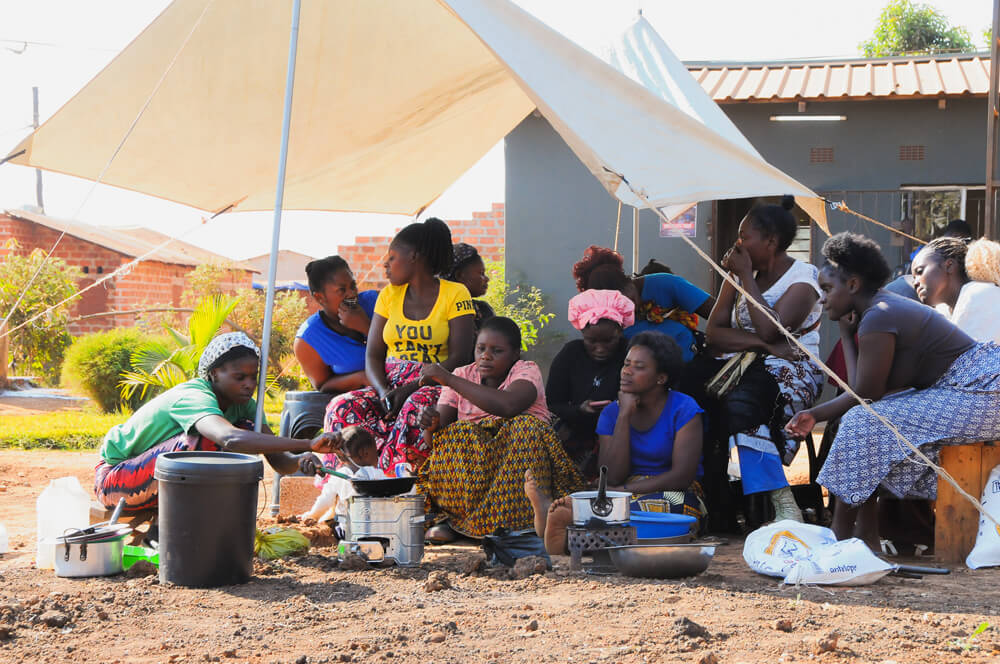
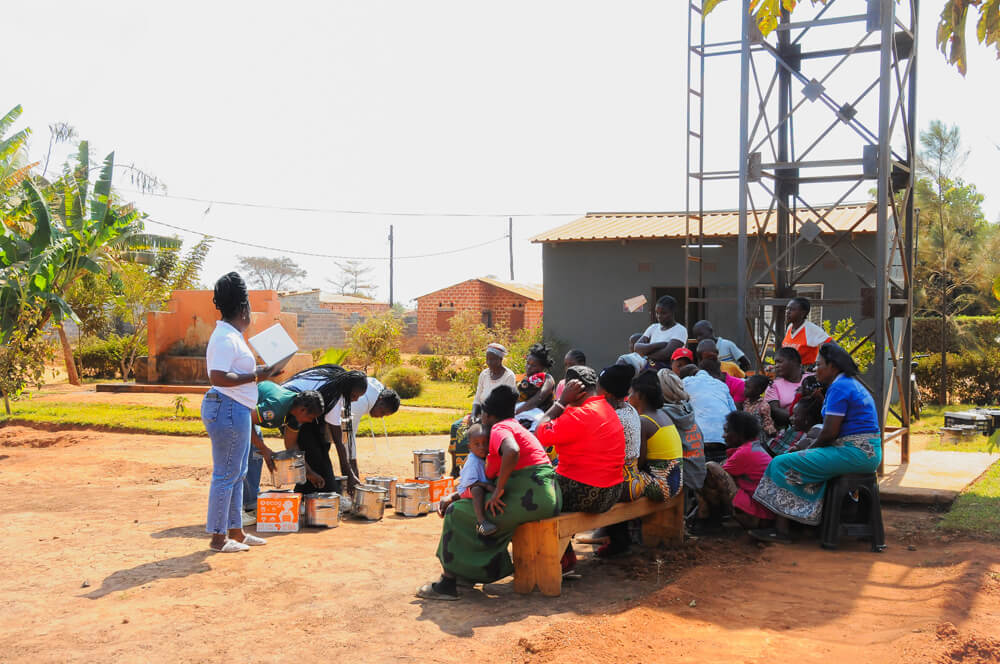
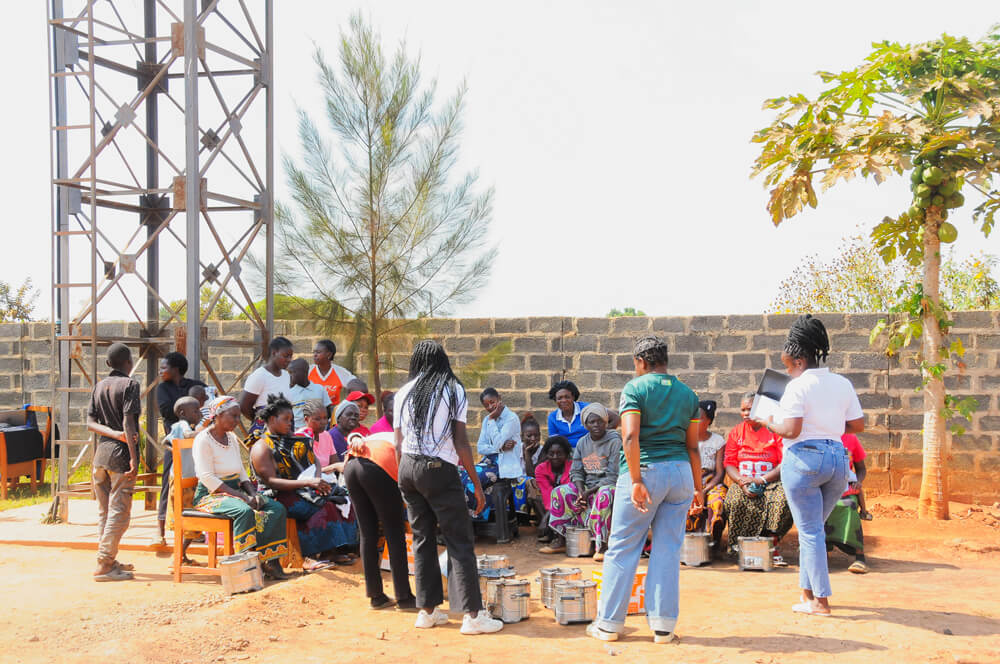
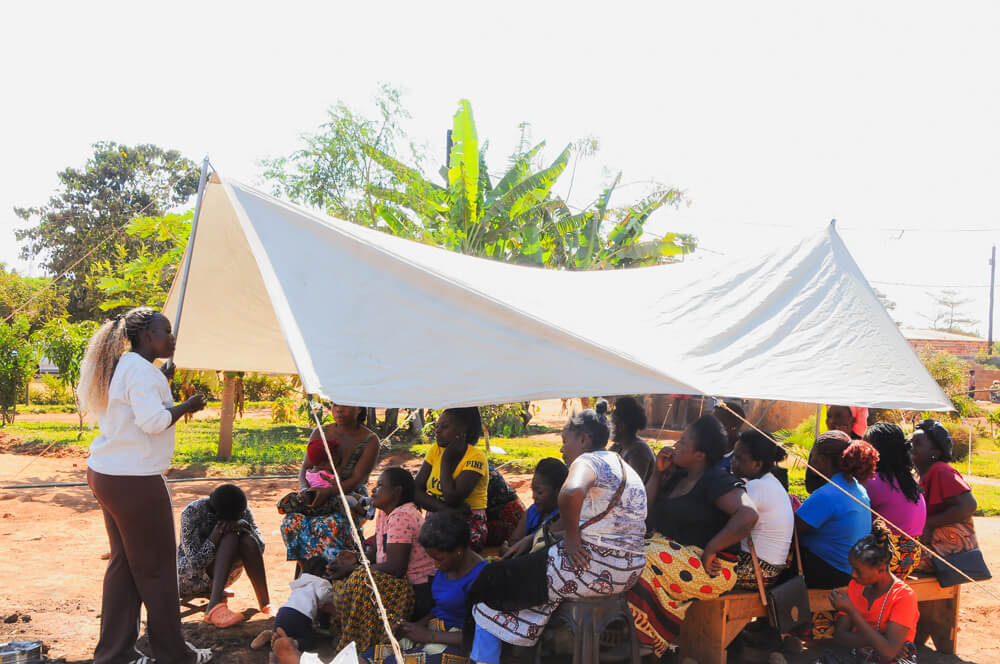
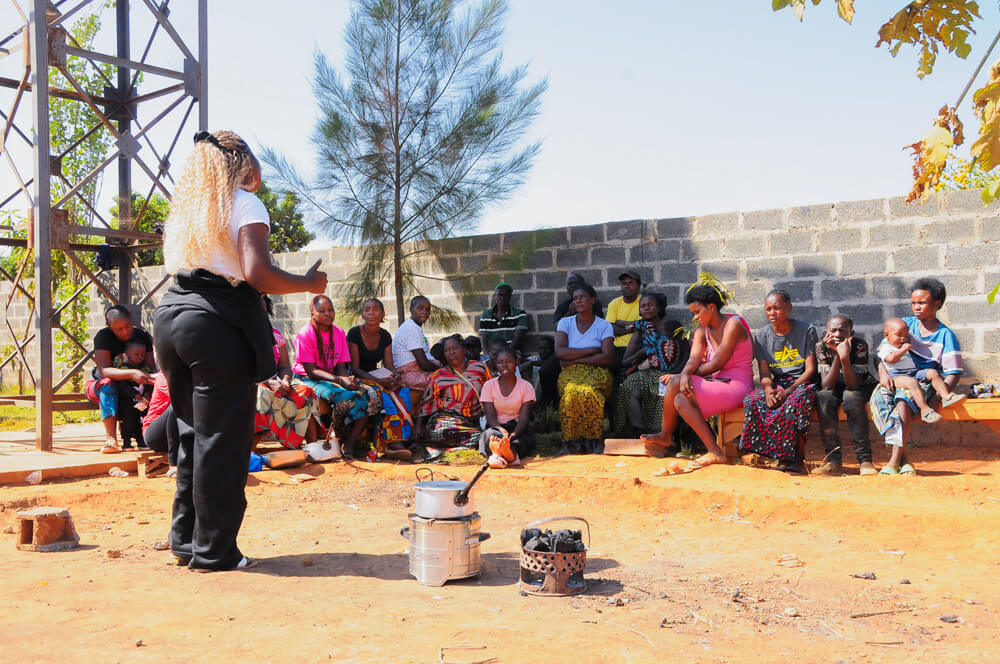
In June 2026, the Koalisation team conducted 16 comparative cooking tests, comparing traditional mbaula stoves with the new efficient stoves during demonstrations involving approximately 400 people in total.
The initial results show a significant difference in charcoal consumption.
During the tests, the traditional stove required an average of 73 minutes and 0.67 kg of charcoal, while with the improved stove the average cooking time fell to 57 minutes, with consumption of approximately 0.31 kg of charcoal.
Based on these field measurements, this represents a reduction in charcoal consumption of approximately 54% for the same meal.
These figures are preliminary measurements collected by Koalisation and have not yet been certified. They will be complemented by data gathered throughout the project from the 400 participating families and will contribute to the preparation of the Impact Report.
Measuring in order to improve
The credits associated with the share of the project funded by Legor are expected to be issued during 2027, in line with the registry’s timeline. However, the value of the initiative goes beyond their issuance.
Throughout the project, data will be collected on stove adoption, tree growth, family participation and the impacts generated within the local area.
For Legor, this project represents another step forward in the journey we have undertaken as a Benefit Corporation: applying the same focus on transparency, traceability and measurement to our sustainability choices that characterises our everyday work in the science of precious metals.
Because impact truly becomes part of a responsible journey when it can be tracked over time, verified and shared transparently.